







Key Takeaways
- Employ positive reinforcement techniques to nurture good behavior.
- Opt for short, frequent training sessions to keep your dog attentive and eager to learn.
- Address behavioral issues directly within your dog’s day-to-day environment.
- Prioritize safety and mental enrichment during every step of the training process.
Training your dog at home creates a comfortable environment for you and your canine companion. Using the right strategies and consistent methods can make significant progress in your dog’s obedience, behavior, and bond with you. Whether you’re addressing common behavior challenges or teaching new commands, utilizing best practices for at-home training is essential. One valuable resource for dog owners is Word Of Mouth Dog Training Denver, a trusted partner for in-home obedience and behavior solutions.
Understanding how to create a safe, structured, and engaging learning atmosphere is key to successful training. Combining positive reinforcement, mental stimulation, and appropriate socialization ensures your dog will thrive at home. With a few essential tools and tailored approaches, lasting results can be achieved without the stress of unfamiliar environments or group classes.
Positive Reinforcement Techniques
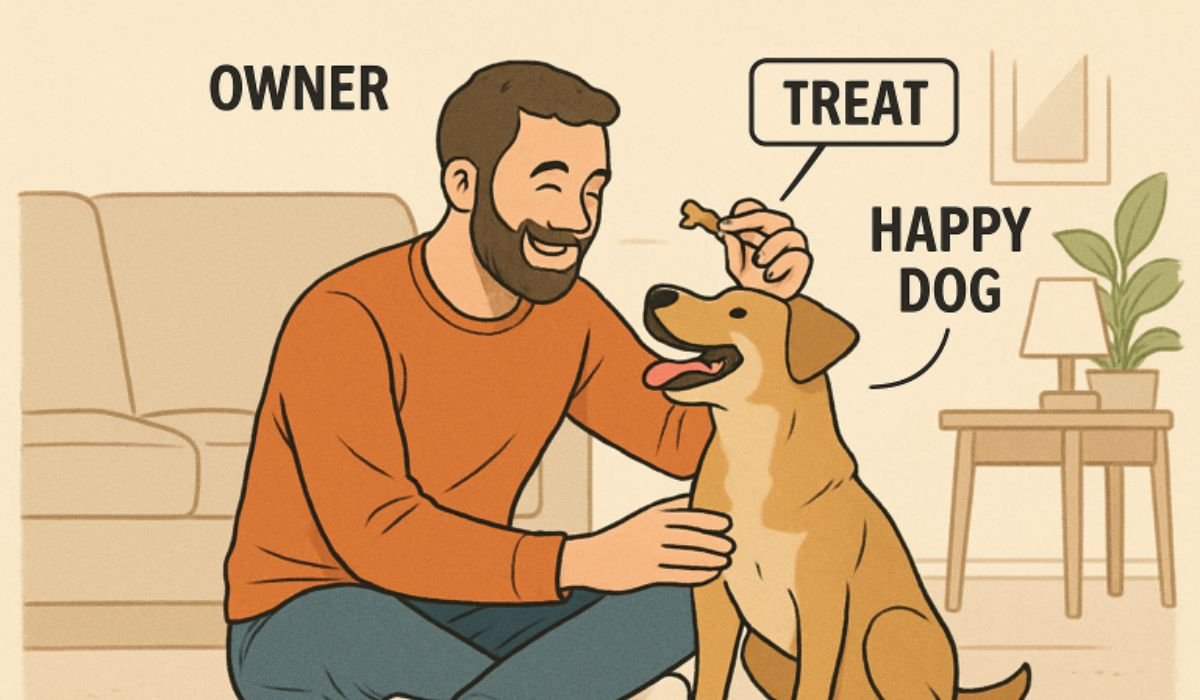
Positive reinforcement is a scientifically supported training method that rewards desirable behaviors rather than punishing unwanted ones. This approach motivates dogs and strengthens the human-canine bond by building trust and minimizing fear or anxiety. Typical rewards may include treats, verbal praise, gentle petting, or a quick round of play. Timing is crucial; rewards should be given immediately after the desired behavior so your dog can connect the action with the outcome.
Avoid using punishments, which can create confusion and stress. Instead, concentrate on catching your dog in the act of doing something right and reinforcing that behavior. This boosts confidence and encourages your dog to make good choices more often.
Short, Frequent Training Sessions
Dogs, regardless of age or breed, usually have limited attention spans. To keep training enjoyable and productive, break sessions into several short intervals—about five minutes each—scattered throughout the day. This prevents boredom and frustration, and repeated lesson exposure ensures better retention. Consistency is essential; regular practice helps your dog internalize new cues and skills.
Plan sessions when your dog is alert but not overly excited or distracted. Integrating training into daily routines, such as before mealtime or after walks, can help maintain focus and make learning a seamless part of your dog’s life.
Addressing Common Behavioral Issues
One of the greatest advantages of at-home training is the ability to address behavioral issues where they naturally occur. For example, if your dog barks excessively at the door or jumps on guests, the familiar setting lets you create real-life scenarios and practice alternative behaviors in context. Teaching your dog to “sit” when someone knocks or retrieves a favorite toy instead of jumping can gradually reshape their responses.
Ensuring Safety During Training
Your dog’s physical and emotional safety should be the foundation of every training session. Start by removing objects that could become hazards, like loose cords or small chewable items. Always check the fit and integrity of your dog’s collar and leash, and use reward-based tools rather than aversive equipment.
Supervision is critical—never leave your dog unattended during training, especially when learning new skills. Also, observe your dog’s body language; if it seems tired, stressed, or overwhelmed, it’s best to take a break and resume when it is more comfortable. Ensuring a positive training atmosphere reduces mishaps and sets your dog up for long-term success.
Incorporating Mental Stimulation
Just as physical exercise is necessary, providing mental stimulation prevents boredom and the emergence of undesirable behaviors like digging or chewing. Introduce puzzle toys, treat-dispensing gadgets, and interactive games to engage your dog’s mind. Teaching new skills, varying the sequence of commands, or hiding treats for scent work keeps your dog motivated and sharp.
Socialization Opportunities
While the comfort of home is valuable for focused training, it’s equally important to introduce your dog to new environments, people, and other animals. Gradual and positive exposure builds your dog’s confidence and helps them navigate novel situations calmly. Arrange controlled playdates, walks in varied locations, or supervised interactions with neighbors to promote social growth.
Balance is key. Always proceed at your dog’s pace and reward calm, curious behavior during new experiences to ensure positive associations.
Seeking Professional Guidance
Consulting a professional can be helpful if you encounter persistent challenges or feel uncertain about your dog’s progress. Experienced trainers can identify subtle issues, offer customized advice, and support you through complex behavioral modifications.
By implementing these effective strategies, you can foster a safe, engaging, and successful training routine at home, ultimately leading to a well-behaved and happy canine companion.