






Table of Contents
- Introduction
- Choosing the Right Business Structure
- Protecting Intellectual Property
- Complying with Employment Laws
- Drafting and Reviewing Contracts
- Navigating Regulatory Compliance
- Understanding Tax Obligations
- Securing Appropriate Insurance
- Implementing Dispute Resolution Strategies
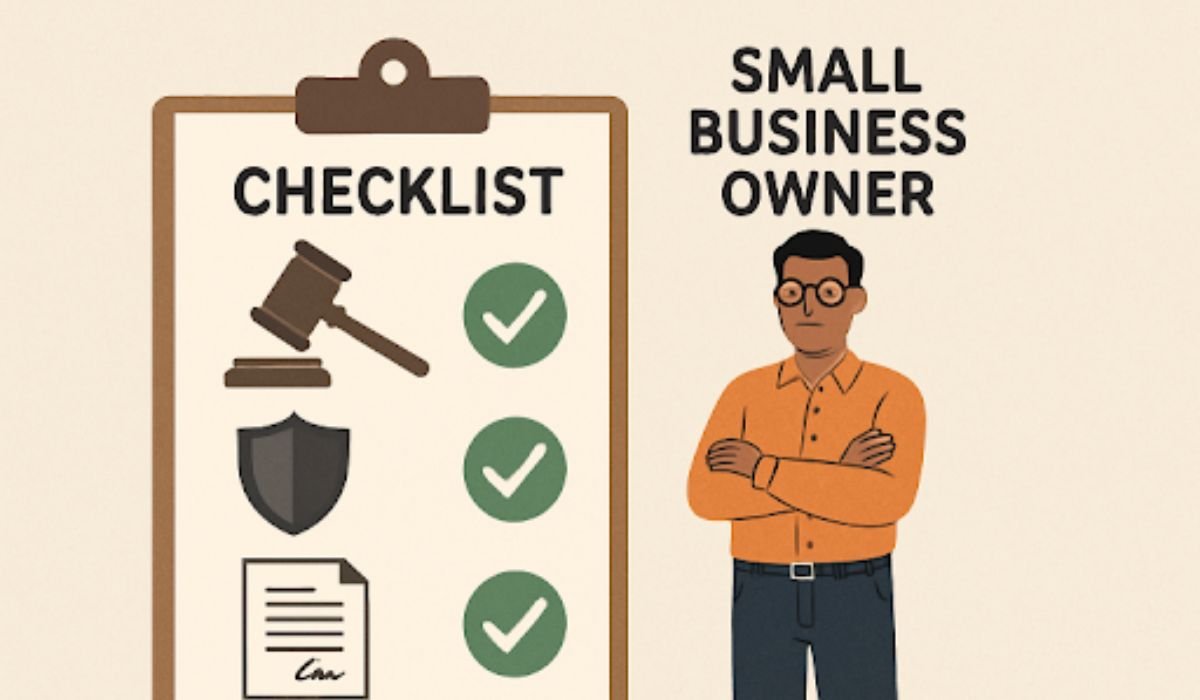
Launching a small business is an achievement that involves creativity, resourcefulness, and determination. Yet, with the excitement of entrepreneurship comes a host of legal responsibilities that every business owner must understand. Taking the time to comprehend your legal obligations is critical to safeguarding your company’s future, minimizing risks, and ensuring long-term success. By laying a solid legal foundation at the outset—and seeking guidance when necessary, such as through a Denver business attorney—you can avoid costly mistakes and keep your venture on track. Legal issues often emerge unexpectedly and can threaten the solvency of even the most promising startups. From selecting the right legal entity and protecting your brand to managing employment issues and staying compliant with tax regulations, a comprehensive legal checklist is essential. Investing in proactive steps today means fewer headaches tomorrow and a stronger, more resilient business positioned for sustainable growth.
Choosing the Right Business Structure
The business structure you choose—ranging from sole proprietorship and partnership to LLC or corporation—fundamentally affects everything from your personal liability to your tax obligations and daily operations. For solo entrepreneurs, a sole proprietorship might seem like the simplest choice, but it provides no protection against personal liability. Partnerships are easier for multiple owners but can expose individuals to each other’s debts. Forming an LLC or a corporation adds a layer of legal protection and may offer tax advantages, though it also involves more regulatory requirements and formalities. Making an informed decision about your entity type early on can mean the difference between manageable risk and financial disaster. Each option has distinct implications for ownership flexibility, tax treatment, and compliance needs. Review your long-term goals and consult professionals who can explain both tax consequences and liability protections in detail. The U.S. Small Business Administration (SBA) offers additional guidance on assessing these structures.
Protecting Intellectual Property
Your brand identity, creative work, and inventions are at the core of your business. Strategic use of intellectual property (IP) rights not only blocks competitors but also enhances your company’s value. The three most common forms of IP include:
- Trademarks: Protect your business name, logos, and unique taglines to help build valuable brand recognition.
- Copyrights: Shield original materials such as articles, marketing copy, software, or web content from unauthorized use.
- Patents: Reserve exclusive rights to inventions, formulations, and innovative processes, which are often essential for tech and product-based companies.
Overlooking IP can lead to loss of competitive advantage or expensive legal disputes. Registering trademarks with the U.S. Patent and Trademark Office, as well as understanding basic copyright law, is highly recommended.
Complying with Employment Laws
As you grow and hire employees, strict compliance with federal, state, and local employment laws becomes essential. Start with these foundational considerations:
- Hiring Practices: Uphold equal opportunity employment and avoid discriminatory language or behavior throughout recruitment.
- Wages and Benefits: Observance of minimum wage rules, overtime regulations, and benefit entitlements keeps your payroll practices legal and fair.
- Workplace Safety: OSHA standards require you to create and maintain a safe, hazard-free work environment to avoid penalties or lawsuits.
Employment law is highly regulated and evolving. Violations can result in significant fines, lawsuits, or damage to one’s reputation. Stay updated on new regulations and consider consulting legal counsel or HR experts as you grow.
ALSO READ: How to Start a Business in Romania?
Drafting and Reviewing Contracts
Formal, well-crafted contracts set clear expectations, define obligations, and provide legal recourse in case of disagreement. Include details about performance criteria, payment timelines, and dispute resolution. Never sign contracts without thoroughly reviewing them for unfavorable or ambiguous terms; consulting a lawyer is a wise investment.
Navigating Regulatory Compliance
Local, state, and federal regulations differ widely—especially if you operate in specialized fields like food service, healthcare, or construction. Many municipalities require operational or health permits, environmental clearances, or special licensing before you can open. Researching your industry’s regulatory environment and staying up to date with renewals helps prevent interruptions and costly fines. The New York Public Library offers resources to help you navigate these requirements.
Understanding Tax Obligations
Compliance with tax regulations is non-negotiable for your business. You’ll need to calculate and remit income taxes, collect and pay sales tax, and manage payroll taxes for any employees. Tax treatment varies based on your corporate structure; accurate, organized record-keeping is your best safeguard against penalties for missed filings, underpayment, or audit trouble. Leverage online resources and seek advice from certified public accountants if you’re ever in doubt.
Securing Appropriate Insurance
Insurance cannot prevent accidents or lawsuits—but it can help mitigate issues from escalating into existential threats. Base your coverage on an honest risk assessment of your industry and operations:
- General Liability Insurance: Essential for shielding against claims of bodily injury or property damage.
- Product Liability Insurance: Essential for manufacturers and sellers of products that could cause harm or loss.
- Professional Liability Insurance: Necessary if you provide advice or professional services that could result in client loss or harm.
Work with insurance professionals who understand your sector’s unique exposures and can tailor a portfolio to your size and stage.
Implementing Dispute Resolution Strategies
No matter how careful your planning, business disputes may eventually arise. By establishing dispute resolution frameworks—such as mediation or arbitration clauses—you can resolve disagreements efficiently and cost-effectively, while maintaining strong business relationships. Clear processes for complaints, feedback, and escalation can further minimize the likelihood that issues escalate out of control.
Building a small business is one of the most rewarding experiences, but it is also a complex endeavor. With attention to these essential legal considerations, you can secure your business’s future, operate with confidence, and stay focused on growth.
YOU MAY ALSO LIKE: How Small Businesses Can Make Informed Payroll and HR Software Decisions