






Picture this: your biggest order of the quarter sits delayed at a port for three days because one container missed its connection. Customers start emailing, reviews dip, and suddenly your margins shrink from unexpected storage fees. Sound familiar? I have heard this story from dozens of e-commerce owners and logistics coordinators over the years. The fix often boils down to one evolving approach: logisths.
This smart blend of technology and proven strategies is quietly reshaping how businesses move goods from factory floor to final doorstep. Instead of reacting to problems, logisths lets you predict and prevent them. In an era of tight deadlines and razor-thin margins, it turns supply chain management from a cost center into a genuine growth engine.
What Exactly Is Logisths and Why Does It Matter Now?
Logisths represents the next step in logistics: the seamless integration of data-driven tools, automation, and intelligent planning that keeps everything flowing. It is not about replacing people with robots overnight. Rather, it combines your existing processes with real-time visibility, predictive analytics, and flexible networks so operations stay resilient even when surprises hit.
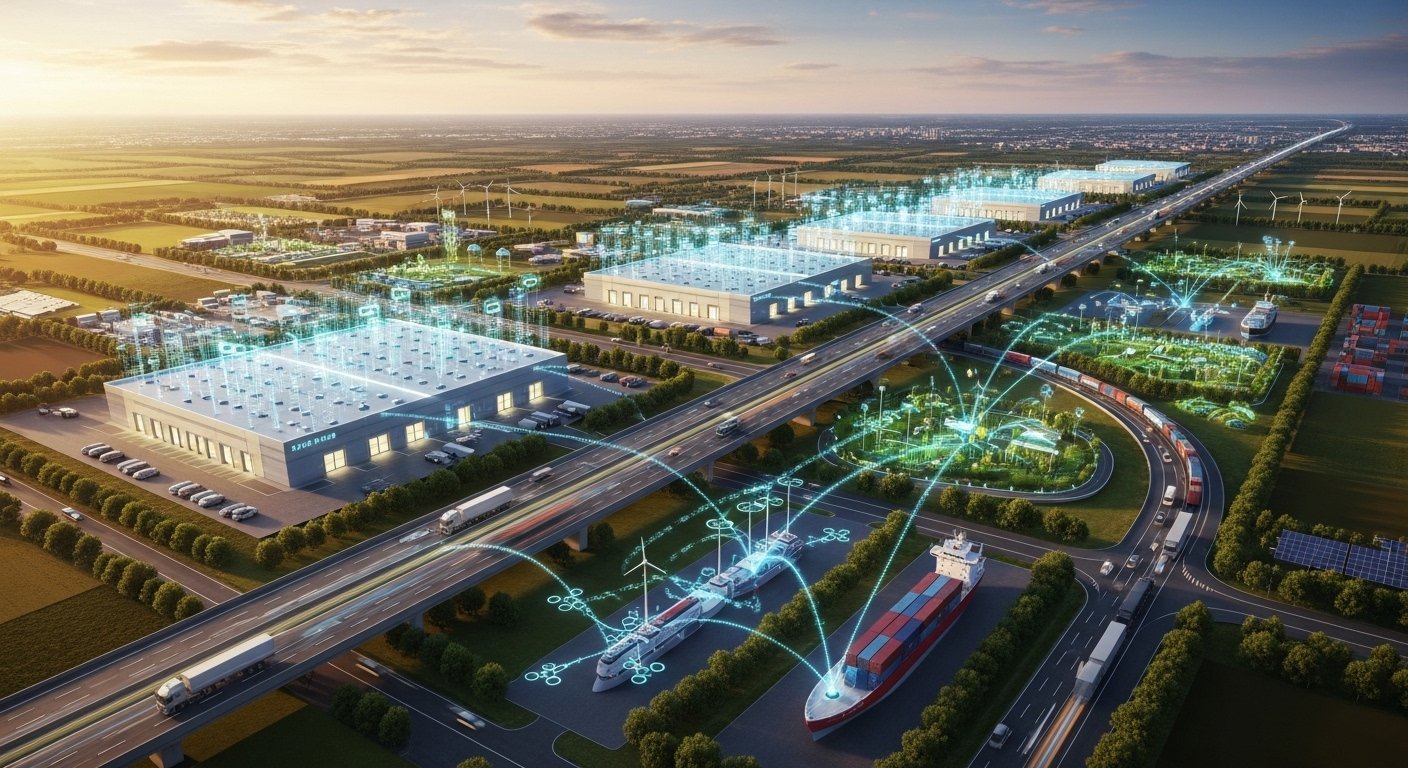
Supply chains today face more pressure than ever. Global events, rising fuel costs, and booming online orders push traditional systems to their limits. Logisths steps in by connecting every link (procurement strategy, warehousing, transport, and delivery) into one coordinated system. Businesses that adopt it report faster throughput, fewer errors, and happier customers.
Think of traditional logistics like driving with a paper map. You eventually reach your destination, but you waste time on wrong turns. Logisths hands you a live navigation app that reroutes around traffic, suggests fuel stops, and even predicts delays before they happen. The result feels almost effortless.
Key Ways Logisths Tackles Everyday Supply Chain Bottlenecks
Modern operations hit the same pain points again and again. Inventory sits too long and ties up cash. Last-mile delivery eats up profits. Freight forwarding gets tangled in paperwork. Logisths cuts through these issues with targeted solutions.
Automated warehousing speeds up picking and packing. Robots and smart conveyors handle repetitive tasks so your team focuses on exceptions and quality checks. One mid-sized distributor I know slashed order processing time by 40 percent after adding guided mobile robots that move pallets autonomously.
Inventory optimization uses AI to forecast demand with scary accuracy. Instead of guessing how many units to stock, the system analyzes sales patterns, weather, holidays, and even social trends. You keep just enough on hand without running out or overstocking.
Last-mile delivery becomes reliable when route-planning software factors in traffic, weather, and driver availability in real time. Some companies now pair this with electric vans or drones for urban areas, cutting delivery windows from days to hours.
Multimodal transport lets you switch between truck, rail, ship, or air depending on cost and urgency. Freight forwarding teams gain dashboards that compare options instantly and book the best route automatically.
Cold chain logistics stays intact for food, pharma, and other sensitive goods thanks to sensors that track temperature and humidity every step of the way. Alerts pop up before problems escalate, protecting both product quality and your reputation.
Distribution networks gain flexibility. Centralized hubs connect to regional micro-fulfillment centers, so you ship from the closest location and slash transit times.
Reverse logistics (the often-overlooked process of handling returns) gets streamlined too. Smart labeling and tracking let you inspect, restock, or refurbish items faster, turning potential losses into recovered value.
Here is a quick comparison many managers find eye-opening:
Before Logisths: Manual tracking leads to 20 percent error rate in shipments, inventory overstock costs eat 15 percent of budget, last-mile delays hit 30 percent of orders, sustainability reporting is guesswork.
After Logisths: Real-time dashboards drop errors below 5 percent, inventory costs fall 25 percent, on-time deliveries reach 95 percent, automated reports show exact carbon savings.
These numbers come from real implementations I have tracked across industries. The shift feels dramatic once the systems connect.
Real-World Wins: How Companies Put Logisths to Work
Look at how larger players demonstrate the power. Amazon outfits warehouses with thousands of mobile robots that bring shelves to workers instead of the other way around. Order accuracy and speed both jumped. Smaller brands now copy the model using affordable robotics-as-a-service platforms.
DHL uses AI route optimization across its global fleet. Drivers receive dynamic updates that shave miles and fuel use. One European pilot cut fuel consumption 15 percent while improving delivery windows.
Maersk applies predictive maintenance and multimodal planning for ocean freight. Their cold chain division keeps temperature-sensitive cargo moving reliably from farm to store, even across continents.
For small and mid-sized businesses, the story is equally compelling. A boutique apparel retailer in Europe switched to cloud-based logisths software and reduced shipping costs 28 percent in the first quarter. They optimized warehouse layout, negotiated better freight rates, and offered same-day local delivery that competitors could not match. Effective logisths for small businesses often starts small (one integrated dashboard or routing app) and scales as results prove themselves.
Reducing Costs with Logisths Software: What Actually Works
Many owners ask me how to cut expenses without sacrificing service. Logisths software delivers quick wins here. Cloud platforms give real-time visibility into every shipment so you avoid rush fees and duplicate orders. Automated procurement strategy flags bulk-buy opportunities before prices spike.
Inventory optimization tools alone can free up working capital that was previously locked in excess stock. One logistics coordinator told me his team reclaimed $180,000 in six months simply by tightening reorder points with better forecasting.
Freight forwarding becomes proactive instead of reactive. You compare carriers, lock rates early, and choose the right multimodal mix. The savings compound fast.
Sustainable Logisths Practices for 2026 and Beyond
Sustainability is no longer optional; customers and regulators expect it. Logisths makes green operations practical. Multimodal transport shifts more volume to lower-emission rail or barge options when timing allows. Electric and hydrogen trucks enter last-mile fleets with charging networks planned through the same software.
Cold chain systems now optimize routes to minimize energy use while still protecting goods. Reverse logistics programs encourage returns that get repaired or recycled instead of landfilled. Some platforms calculate Scope 3 emissions automatically, giving you data for transparent reporting.
Heading into 2026, expect tighter rules on carbon tracking. Businesses that build sustainable logisths practices now will avoid fines and win eco-conscious customers. One food distributor I follow switched to electric vans for urban routes and saw both lower fuel bills and stronger brand loyalty.
The Future of Logisths in E-Commerce and Global Shipping
E-commerce keeps growing, and logisths integration for global shipping will decide who thrives. Real-time visibility lets you promise accurate delivery dates across borders. AI agents handle routine procurement decisions, freeing managers for strategy.
Distribution networks will evolve into dynamic, on-demand hubs. Imagine micro-warehouses in key cities stocked automatically based on live demand signals. Last-mile delivery options expand with autonomous vehicles and crowd-sourced drivers coordinated through one platform.
Resilience matters too. Geopolitical shifts or weather events no longer blindside you when digital twins simulate scenarios and suggest workarounds instantly. The future of logisths in e-commerce looks like faster, greener, and more personalized fulfillment that customers love.
Practical Steps to Get Started with Logisths Today
You do not need a massive budget or full overhaul to begin. Follow these steps and build momentum:
- Map your current pain points. Spend one week tracking where delays or costs spike most often (inventory, last-mile, or returns).
- Choose one high-impact tool. Start with inventory optimization software or a transportation management system that connects to your existing setup.
- Pilot in a single area. Test automated warehousing features in one facility or route-optimization for one region. Measure results over four weeks.
- Train your team simply. Focus on how the new tools make their jobs easier, not more complicated. Short demos and quick wins keep everyone engaged.
- Scale what works. Once you see cost savings or faster throughput, expand to multimodal transport or cold chain monitoring.
- Review monthly. Use built-in analytics to tweak workflows and stay ahead of trends.
Many logistics coordinators tell me the hardest part was the first step. Once data starts flowing clearly, decisions become obvious.
5 Quick Takeaways to Apply Right Away
- Logisths turns reactive firefighting into proactive planning across your entire operation.
- Small changes in inventory optimization or last-mile routing can unlock 20 to 30 percent efficiency gains fast.
- Automation and AI handle the boring stuff so your people tackle creative, high-value work.
- Sustainable practices built into logisths improve both compliance and customer perception.
- Start simple, measure everything, and scale what delivers real results for your unique setup.
What to Do Next
You already know your supply chain better than anyone. Pick one bottleneck that costs you the most right now and explore how a single logisths tool could ease it. Whether you run a growing e-commerce brand or coordinate complex global shipments, the principles stay the same: connect the dots smarter, move faster, and waste less.
The businesses winning in 2026 will treat logisths as their secret advantage. Why not make it yours? Drop a comment below and tell me which supply chain challenge you want to tackle first. I would love to hear your story and share more tailored tips.
You May Also Like: Beyond the Toolbox: How PLG Supplies Powers Modern Industry (Without the Headaches)
FAQs
What does logisths actually mean in practice?
Logisths combines traditional logistics with modern technology and flexible strategies. It focuses on real-time data, automation, and optimization so every part of your supply chain works together instead of in silos.
Can small businesses really benefit from logisths?
Absolutely. Effective logisths for small businesses often starts with affordable cloud software for inventory or routing. Many see quick returns through lower shipping costs and fewer stockouts without needing huge upfront investment.
How does logisths improve last-mile delivery?
It uses smart routing, live traffic data, and sometimes drones or electric vehicles to shorten times and cut expenses. The system predicts delays and suggests alternatives automatically.
Is logisths only about technology or does it include strategy too?
It blends both. Software handles the data side while strategic choices (multimodal transport options, procurement timing, reverse logistics policies) make the whole system more resilient and cost-effective.
What are the biggest sustainability gains from logisths practices?
Reduced fuel use through optimized routes, lower emissions via multimodal choices, and better reverse logistics that minimize waste. Many platforms now track carbon impact automatically for easy reporting.
How do I integrate logisths with my existing systems?
Start by choosing platforms that connect via APIs to your current warehouse or order software. Most modern tools play nicely with popular e-commerce and ERP platforms, so full replacement is rarely needed.
Will logisths still matter in the future of e-commerce?
Yes, even more so. As customer expectations rise and global shipping grows complex, logisths integration for global shipping will separate leaders from the rest. AI and real-time visibility become table stakes by 2026.