







Key Takeaways
- Choose nutrient-rich foods that fuel and satisfy the body for lasting energy and well-being.
- Regular physical activity is essential for boosting metabolism, protecting muscle, and promoting overall health.
- Mindful eating helps prevent emotional overeating and encourages better food choices over the long term.
- Quality sleep and effective stress management are central to hormonal balance and sustainable weight loss.
- Supporting gut health and building relationships for accountability increases the likelihood of long-term success.
Weight loss can be overwhelming due to the abundance of advice and restrictive diets. Sustainable success requires developing healthy habits, understanding needs, and consistent commitment to change. Addressing physical, mental, and emotional components unique to each person’s lifestyle, environment, and genetics is crucial. For those seeking expert guidance tailored to individual needs, Garcia Weight Loss offers a compassionate, evidence-based approach with a personal touch, supporting individuals step by step through their unique journeys.
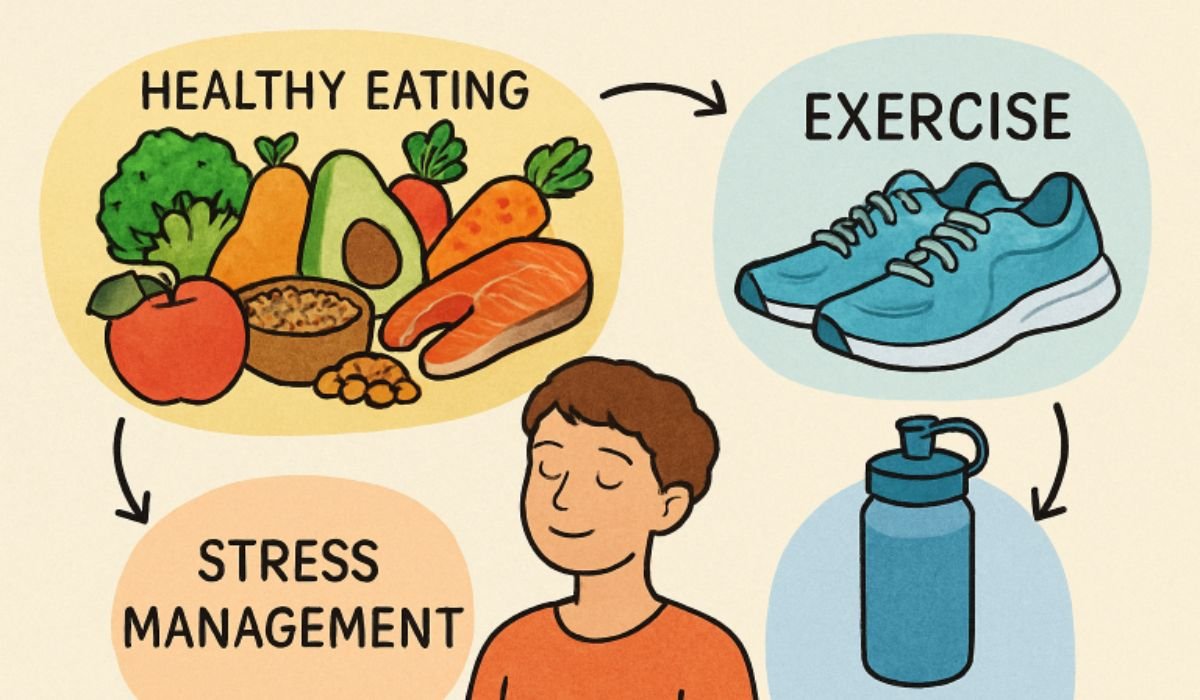
Prioritizing long-term well-being over quick results fosters lasting change. Significant transformations arise from small, consistent shifts in habits rather than dramatic outcomes. A holistic approach, which includes nourishment, movement, mindfulness, sleep, stress management, gut health, and social support, ensures alignment with weight loss success. This comprehensive strategy enhances physical appearance and boosts mental clarity, emotional resilience, and overall happiness, promoting a healthier and more fulfilling life.
Focus on Nutrient-Dense Foods
Whole, nutrient-dense foods such as fresh vegetables, fruits, legumes, lean proteins, and whole grains are not just key for weight loss, they’re foundational for overall health. These foods give your body the essential building blocks it needs to function optimally, while also helping to stave off hunger and cravings that often undermine weight loss attempts. Unlike calorie-laden, processed foods, these whole food options supply the body with essential vitamins, minerals, fiber, and antioxidants, which keep you full and satisfied, curb cravings, and provide sustained energy. Opting for real, unprocessed ingredients supports your body’s metabolism and avoids blood sugar spikes that can prompt binge eating or fatigue. People who consistently include more high-fiber, nutrient-dense options are more likely to achieve and maintain a healthy weight, according to updated dietary guidelines from the Centers for Disease Control and Prevention (CDC). Making these foods the cornerstone of every meal reduces the temptation to reach for unhealthy snacks and promotes long-term health in addition to weight management.
Incorporate Regular Physical Activity
Movement helps your body burn calories, build and preserve muscle mass, and maintain a healthy metabolic rate as you lose weight. Physical activity also assists in balancing hormones that influence hunger and mood. From brisk walking and cycling to swimming and strength training, your chosen activities should be enjoyable and sustainable for your lifestyle so that you’re more likely to stick to them long-term. Exercise doesn’t have to be grueling or require hours at the gym—it can include gardening, playing with your children, or taking the stairs instead of the elevator. Experts recommend at least 150 minutes of moderate-intensity activity each week for adults, which can be broken down into manageable sessions such as 30 minutes a day, five times weekly. Regular exercise also improves mood by releasing endorphins, reduces symptoms of anxiety and depression, and enhances sleep quality, amplifying your weight loss progress. In addition to structured workouts, increasing daily activity by walking more or standing periodically can further support your goals. Ultimately, finding physical activities you look forward to makes consistency achievable, setting the foundation for lifelong well-being.
Practice Mindful Eating
Mindful eating means slowing down at meals, noticing tastes and textures, paying attention to hunger and fullness signals, and breaking the habit of eating while distracted. Developing this awareness can make a significant difference in managing portion sizes and making empowered choices about what and how much you eat. It can help you tune out emotional triggers and avoid overeating from stress or boredom. Creating a calm eating environment and focusing on each bite allows you to savor your food, leading to greater satisfaction with smaller portions. Research suggests mindful eating supports weight management and reduces impulsive eating patterns. Over time, this approach helps retrain your brain to respond to proper hunger cues rather than habits, emotions, or environmental prompts, supporting a more balanced and enjoyable relationship with food.
READ ALSO: The Ultimate Guide to Wepbound (Zepbound/Tirzepatide) for Weight Management
Ensure Adequate Sleep
Sleep is a cornerstone of metabolic health, influencing the hormones that regulate your appetite and fullness (such as leptin and ghrelin). Insufficient rest can make it significantly more complicated to make healthy choices and stick to your weight loss plan. Adults should aim for 7–9 hours per night, as chronic sleep deprivation often leads to increased hunger, cravings for high-calorie foods, and a greater risk of weight gain. Poor sleep has also been linked to reduced motivation for exercise and more stress, which can hamper your ongoing efforts. Healthy sleep hygiene habits, such as limiting screen time an hour before bedtime, creating a dark and comfortable sleep space, and establishing a relaxing bedtime routine, can significantly support weight loss efforts. By improving sleep quality and quantity, you set your body up for better hormonal balance and improved energy throughout the day.
Manage Stress Effectively
Chronic stress triggers the release of cortisol, a hormone that can promote fat storage around the abdomen and interfere with appetite regulation. Elevated stress can also lead to emotional eating and cravings for high-calorie comfort foods, making it even more essential to develop practical coping skills. Integrating stress management strategies—such as yoga, deep-breathing exercises, daily walks in nature, or meditation—can help you stay calm, focused, and resistant to emotional eating. Making time for relaxation, social connections, and enjoyable hobbies is vital for maintaining a positive outlook on your journey. Addressing stress holistically empowers you to take positive actions for your health, improve your mood, and sustain healthy habits even during tough times. Over time, a well-managed stress response supports your body’s metabolic function and helps you better maintain weight loss achievements.
Support Gut Health
The gut microbiome influences digestion, metabolism, and mood—making gut health a surprising but crucial part of weight management. Nourishing your gut with probiotic-rich foods (such as yogurt, kefir, sauerkraut, and kimchi) and prebiotic/fiber-rich foods (including beans, oats, garlic, and bananas) helps improve gut diversity and supports better weight regulation. A balanced gut microbiome aids digestion and boosts immunity, but emerging research also links it to a reduced risk of chronic diseases, making it vital for whole-body health. A healthy gut also enhances nutrient absorption and supports immune system function, making it a crucial part of a holistic weight loss plan. Limiting processed foods and added sugars is equally essential, as these can disrupt gut bacteria and hinder progress. Focusing on gut health as part of your routine allows you to optimize your digestion and weight loss results.
Build a Strong Support System
Lasting weight loss is rarely achieved in isolation. Having support makes navigating challenges, staying motivated, and bouncing back from setbacks much more manageable. Whether it’s encouragement from friends and family, the camaraderie of a fitness group, or connecting with others online, social support keeps you motivated and accountable. People who share their goals with others and receive regular positive reinforcement are more likely to sustain healthy changes over time. Communities can provide resources, problem-solving, and the inspiration you need through plateaus and setbacks. Leaning on others and sharing progress is a proven way to strengthen your commitment to change. Don’t underestimate the power of having someone to celebrate successes, brainstorm solutions, and listen when needed—this social connection can be the difference between giving up and reaching your goals.
Conclusion
Sustainable weight loss extends far beyond restrictive diets and quick fixes. By embracing a holistic approach that weaves together sound nutrition, regular activity, mindfulness, sleep, stress resilience, gut health, and community, you foster lifelong habits that support healthy weight, vitality, and confidence. If you’re looking for guidance, remember it’s okay to seek help and build a team around your goals. Start small, stay patient, and celebrate each positive step—your journey is unique, and the benefits will extend to every area of your life. Every effort you make now sets a foundation for future wellness and creates a ripple effect, promoting happiness and health for yourself and those around you.
YOU MAY ALSO LIKE: Why Poor Sleep Stops You From Losing Weight — Even With a Great Trainer